
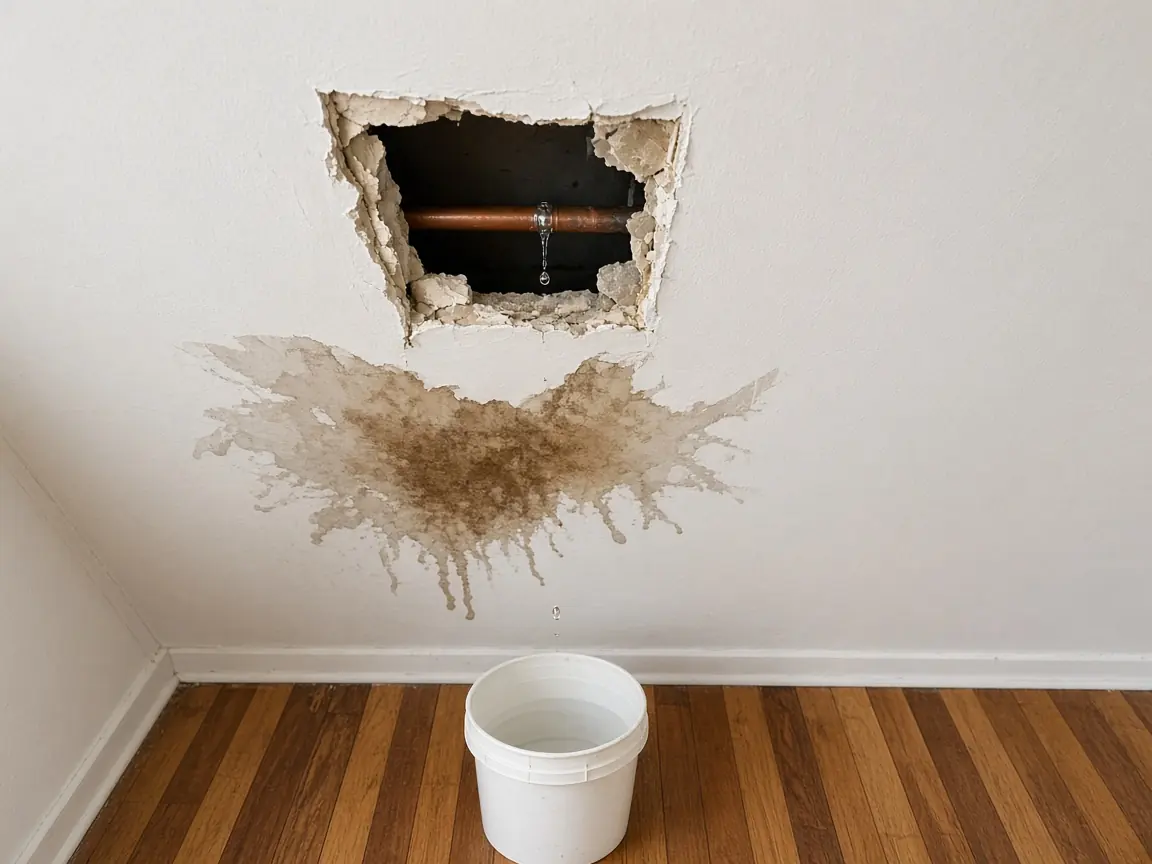
Repiping calls from Englewood start the same way: what's happening, what kind of house is it, and where are you? Then you'll hear whether your address is covered. That goes for Bates-Logan, South Broadway and everywhere else in Englewood. Repiping replaces the water supply pipes in a Englewood home, usually because galvanized steel has corroded, polybutylene is aging, or leaks keep appearing. It's a bigger project than a spot repair, but it ends the cycle of pinhole leaks and low pressure.
Safe checks before you call from Englewood
- Close the valve feeding the leak, or the main shutoff.
- Catch dripping water and move belongings.
- Do a meter test with all fixtures off.
- Photograph stains and damage for your records.
When repiping makes sense
Low pressure from corroded galvanized pipe, rusty water, repeated pinhole leaks, polybutylene pipe and planning a major remodel are common reasons.
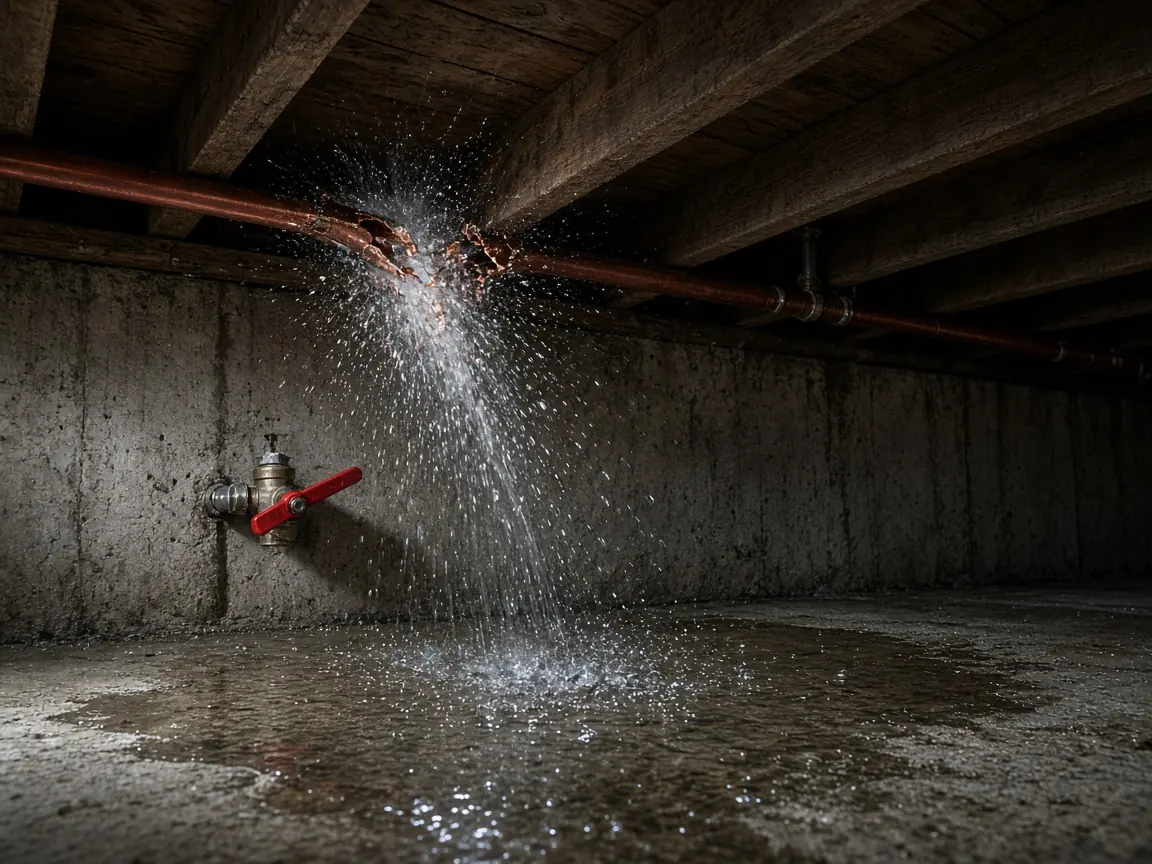
PEX or copper
PEX is flexible, needs fewer fittings and resists freeze damage better than rigid pipe. Copper is durable and long-lived. Both are widely used. Ask about the pros and cons for your house.
Water still running or not sure what to do next? Call.
Call 000 000 0000The process
New lines are routed through walls, floors and basements, connected to fixtures, and the old pipes abandoned or removed. Small wall openings are patched afterward. Basements and crawlspaces make routing easier.
Permits
Repiping generally requires a plumbing permit and inspection.
Living through it
Water is usually off for parts of the job. Ask about the schedule and how long you'll be without water each day.
Signs your pipes are near the end
Low pressure that's getting worse, rust-colored water when a tap first opens, visible corrosion on exposed pipes, leaks at threaded joints and a history of pinhole repairs all point toward aging supply pipe. In galvanized systems, scale builds up inside until flow drops. If a plumber repairs one section and finds the pipe on both sides badly corroded, that's a strong sign.
Planning around the house
Repiping is a good time to replace fixture shutoffs, add a pressure-reducing valve if pressure is high, move a water heater connection, or add a hose bib. Basements and crawlspaces make routing easier, while finished basements need more planning. Ask how walls will be opened and patched, and whether patching and painting are included.
Water service line too
If the supply pipes inside are old galvanized, the service line from the curb may be just as old. Some older homes have lead service lines. Check with your water utility, and consider replacing both at once.
Pipes and leaks in Denver-area homes
Denver's housing spans more than a century, and so does its pipe. Early homes often have galvanized steel supply lines that corrode from the inside, reducing pressure and eventually leaking. Mid-century homes usually have copper, which can develop pinholes. Some homes from certain decades have polybutylene. Newer homes use PEX. Some older homes still have lead service lines, which Denver Water and other utilities are working to identify and replace.
Leaks hide in walls, ceilings, slabs and yards. The water meter is the first test: with everything off, it shouldn't move. Pinpointing a leak before opening a wall or digging saves damage and cost. A single leak is usually a spot repair, but repeated leaks in old pipe point toward repiping. Service line work needs Colorado 811 locates, usually a permit and coordination with the water utility.
Good questions to ask about leak detection and pipe repair in Englewood
- Where exactly is the leak, and how did you confirm it?
- Is this a spot repair, or is the pipe near the end of its life?
- What pipe material will you use for the repair?
- Does the work need a permit or utility coordination?
Mistakes to avoid
Avoid opening walls before the leak is located, relying on tape or clamps as permanent repairs, ignoring a meter that moves with everything off, and assuming a high bill is a billing error. Hidden leaks keep running, and the damage behind drywall grows quietly.
Repiping in Englewood: local notes
Englewood is mostly small pre-war and postwar homes, many with original galvanized pipe and clay or cast-iron sewer laterals. Englewood runs its own water and sewer utility, separate from Denver, so curb-stop and sewer main issues go to the city.
Water in Englewood comes from Englewood's own city water utility. Permits come from the building department for the City of Englewood. Gas service in most of the metro is from Xcel Energy, and any digging needs Colorado 811 locates first.
Landmarks near you
Near Englewood CityCenter, the civic center and light rail station on the old Cinderella City site, or closer to Belleview Park, the city park with a small train and children's farm? The call is the same: describe the problem, share your cross streets and ask whether you're covered.
Handy when you call
- Pipe material and home age
- Leak history
- Pressure problems
- Planned remodels
- Your Englewood address or nearest cross streets
The steps
- Call the number on this page.
- Describe the problem and anything you've switched off.
- Give your Englewood cross streets and ask whether you're covered.
- Ask about pricing and permits. The provider sets prices, not this website.
More for Englewood
- Plumbing help in Englewood: housing, utilities and permits
- Pipe Leak Repair in Englewood
- Water Pressure Problems in Englewood
- Water Line Repair in Englewood
- All leak detection and pipe repair in Englewood
- Repiping nearby: Littleton, Centennial, Lakewood, and Denver
- Guide: When Denver Plumbing Work Needs a Permit