
Plain-language guides for Denver homeowners, written for the moment something goes wrong and for the weekend before it does. Each guide links official sources such as Denver Water and the City and County of Denver, and shows the date it was last reviewed.
Start with the plumbing emergency checklist. Rules and programs change, so confirm anything important with the agency.
Emergencies
Prevention
Water still running or not sure what to do next? Call.
Call 000 000 0000Know the rules
- Denver Water's lead service line program
- Who owns the sewer line in Denver
- When plumbing work needs a permit
- Expansive soil and sewer lines
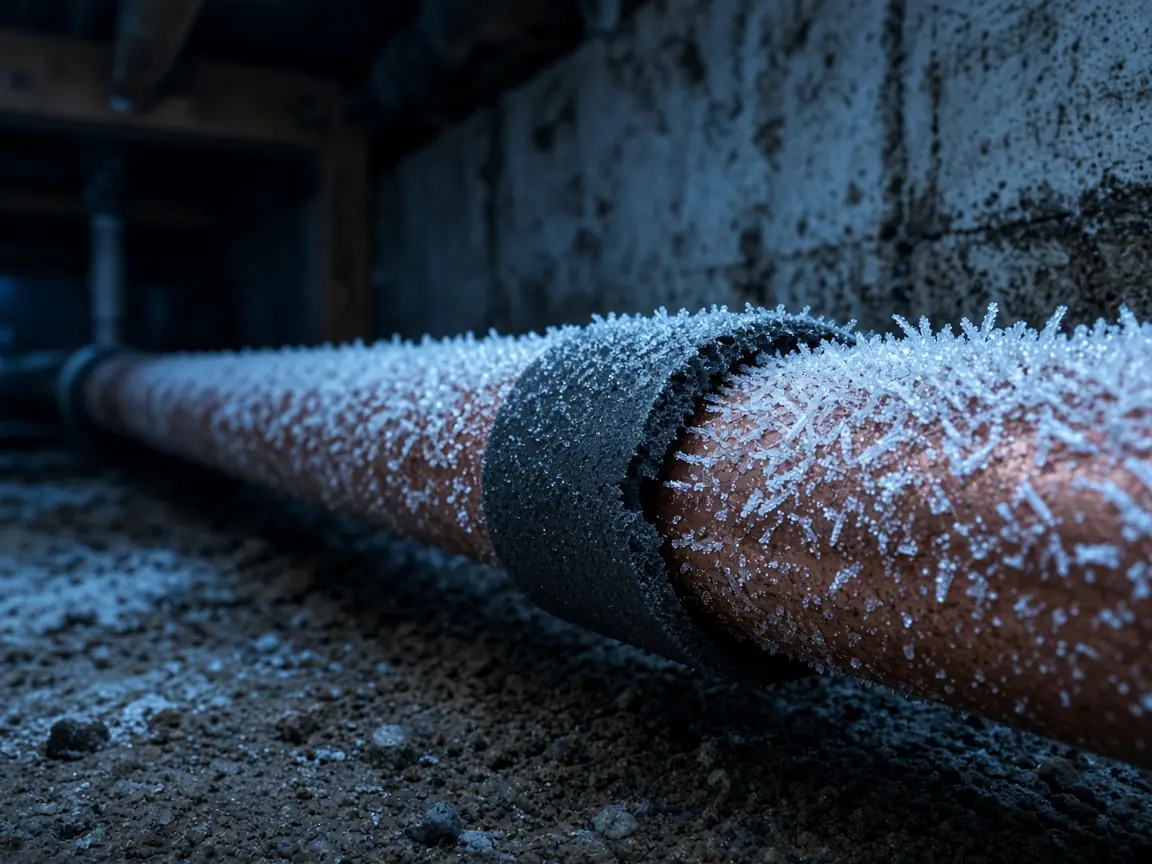
Each guide ends with the official sources it was checked against and the review date. Images are illustrations, not photos of a specific home or job.
Using these guides
The guides explain what's happening and what to do first, not how to do licensed work yourself. Gas piping, venting, electrical connections and buried lines belong with qualified professionals and usually need permits. When a guide points you to an agency, such as Denver Water for lead service lines or Xcel Energy for gas, that agency's current guidance wins over anything written here. If you're in the middle of an emergency, skip the reading: shut off what you safely can and call the number on this page.
Seasonal reading
In fall, read the frozen pipe guide and winterize sprinklers. In winter, keep the burst pipe and main shutoff guides handy. In spring, test the sump pump and read the basement flooding guide before snowmelt and storms. Any time you're buying an older home, read the sewer ownership and expansive soil guides and ask for a sewer camera inspection before closing.