
Print this checklist and tape it next to your main water shutoff. In a plumbing emergency, the first few minutes matter most, and nobody wants to be searching for a valve with water pouring through the ceiling.
Know before anything happens
- [ ] Main water shutoff location: usually in the basement on the street-facing wall. Read where is the main water shutoff in a Denver house?
- [ ] Main shutoff tested and it closes fully.
- [ ] Water heater cold supply valve on top of the heater, plus gas control or breaker location.
- [ ] Electrical panel location and which breakers serve the basement.
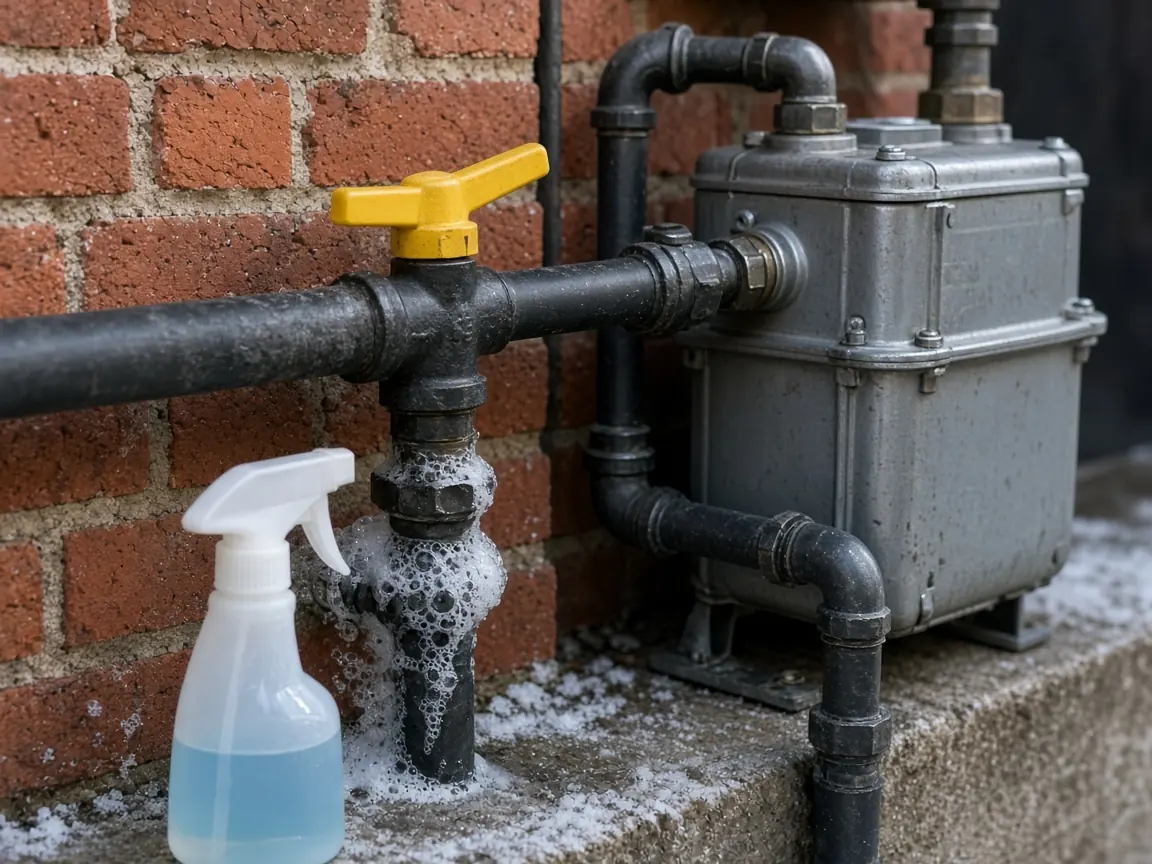
- [ ] Gas meter location. Only the utility or a qualified person should operate it.
- [ ] Sump pump tested before spring.
- [ ] Sprinkler system winterized in fall.
- [ ] CO alarms on every level.
- [ ] Insurance policy and claim number saved on your phone.
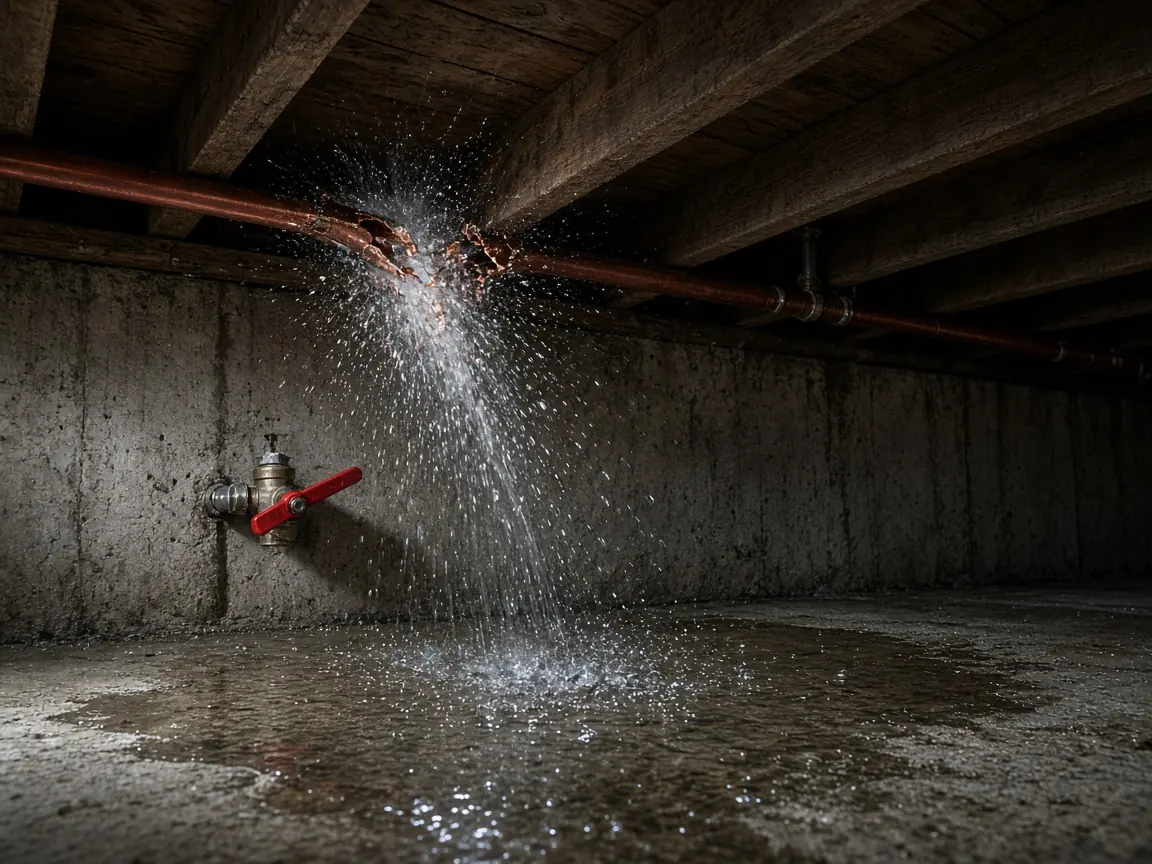
Water spraying or a burst pipe
- Close the main water shutoff.
- Open the lowest faucet to drain the lines.
- Turn the water heater to pilot or off, or switch off its breaker.
- Stay away from water near outlets or the panel.
- Move belongings, take photos.
- Call. See what to do when a pipe bursts.
Water still running or not sure what to do next? Call.
Call 000 000 0000Sewage in the floor drain
- Stop using all water: no flushing, showers or laundry.
- Keep kids and pets away.
- Don't touch sewage without gloves and boots.
- Call. See sewage in the basement floor drain.
You smell gas
- Leave immediately. Don't use switches, phones or flames inside.
- Call Xcel Energy or 911 from outside. See Xcel Energy gas safety.
- Stay out until responders say it's safe.
- Repairs come later. See what to do if you smell gas.
Water heater leaking
- Close the cold supply valve on top of the heater.
- Turn the gas control to off or pilot, or switch off the breaker.
- Catch or mop water. Don't touch the relief valve discharge, which can be scalding.
- Call about water heater repair.
Frozen pipe
- Open the faucet.
- Warm the pipe gently with a hair dryer. Never use an open flame.
- If you see a split or spraying water, close the main and call. See frozen pipe repair.
Toilet overflowing
- Lift the tank lid and push the flapper down, or close the valve behind the toilet.
- If more than one fixture is backing up, stop using water. That usually means the main line.
After the emergency
Once the water is off and the immediate danger is over, a few steps make the rest go more smoothly. Take photos and video of damage before cleanup, and keep damaged parts if you can. Start drying right away with fans and a dehumidifier, and pull up wet rugs. Call your insurer early and ask how they want the claim documented. Keep receipts for repairs, drying and any temporary housing. When the plumber finishes, ask what caused the problem and whether anything else in the house is at risk, such as other pipes on the same exterior wall or a sewer lateral with more roots. Ask whether the repair needs a permit and inspection. Then update this checklist with anything you learned, like a second shutoff or a valve that needs replacing.
Seasonal reminders for Denver homes
- Fall: winterize sprinklers, disconnect hoses, insulate exposed pipes.
- Winter: keep heat steady, open sink cabinets on exterior walls during cold snaps.
- Spring: test the sump pump, clean gutters, check the backflow preventer before turning sprinklers on.
- Summer: watch for slow drains and root problems, and schedule a sewer camera inspection if backups have happened before.
What to tell the plumber
- What happened and when
- What you've shut off
- Your address or cross streets
- Home age and pipe material if known
Helpful numbers to save
- Your water utility, for example Denver Water
- Xcel Energy, for gas emergencies
- Colorado 811, before any digging
- Your insurer
Call
Use the call button on this page and ask whether your address is covered.