
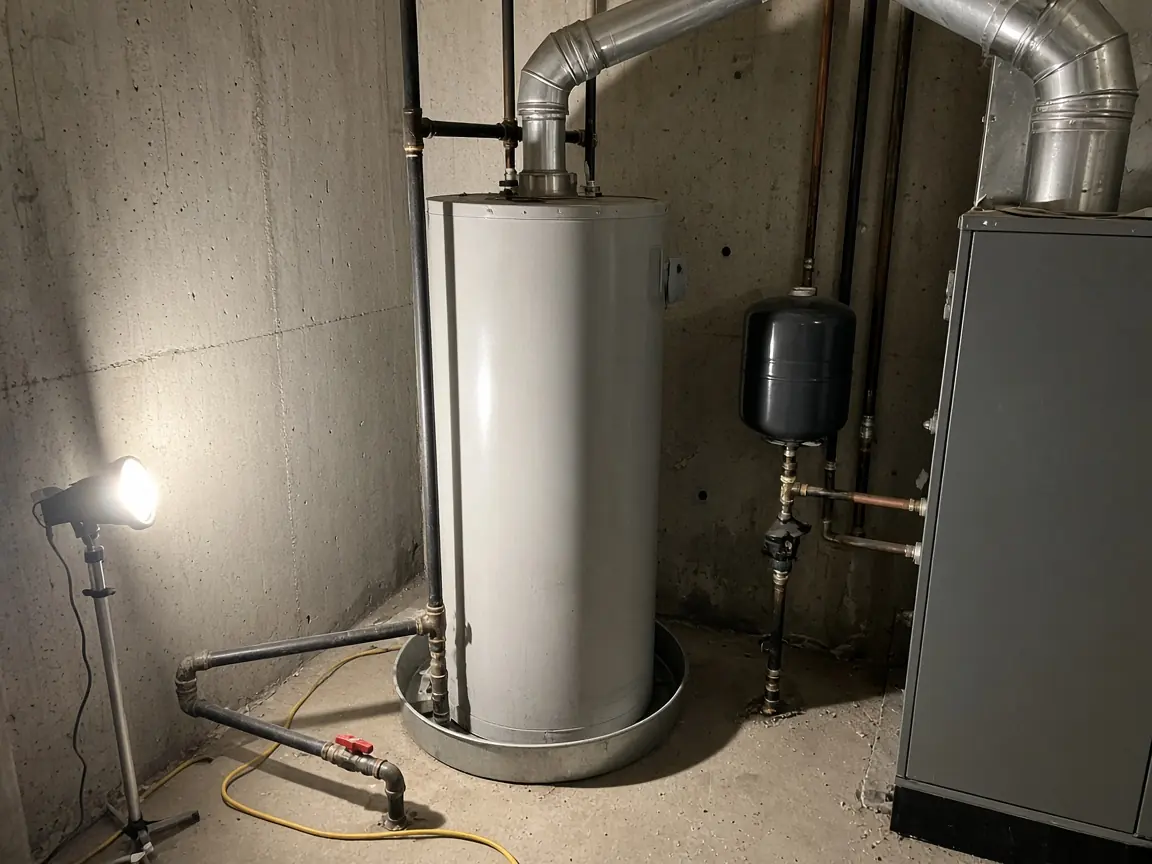
Water Heater Replacement calls from Lakewood start the same way: what's happening, what kind of house is it, and where are you? Then you'll hear whether your address is covered. That goes for Green Mountain, Applewood's edge and everywhere else in Lakewood. Replacing a water heater in a Lakewood basement or closet means getting the vent, gas connection, relief valve and permit right, along with any high-altitude setup the manufacturer requires. A like-for-like tank swap is usually simple. Changes in size or type take more planning.
Safe checks before you call from Lakewood
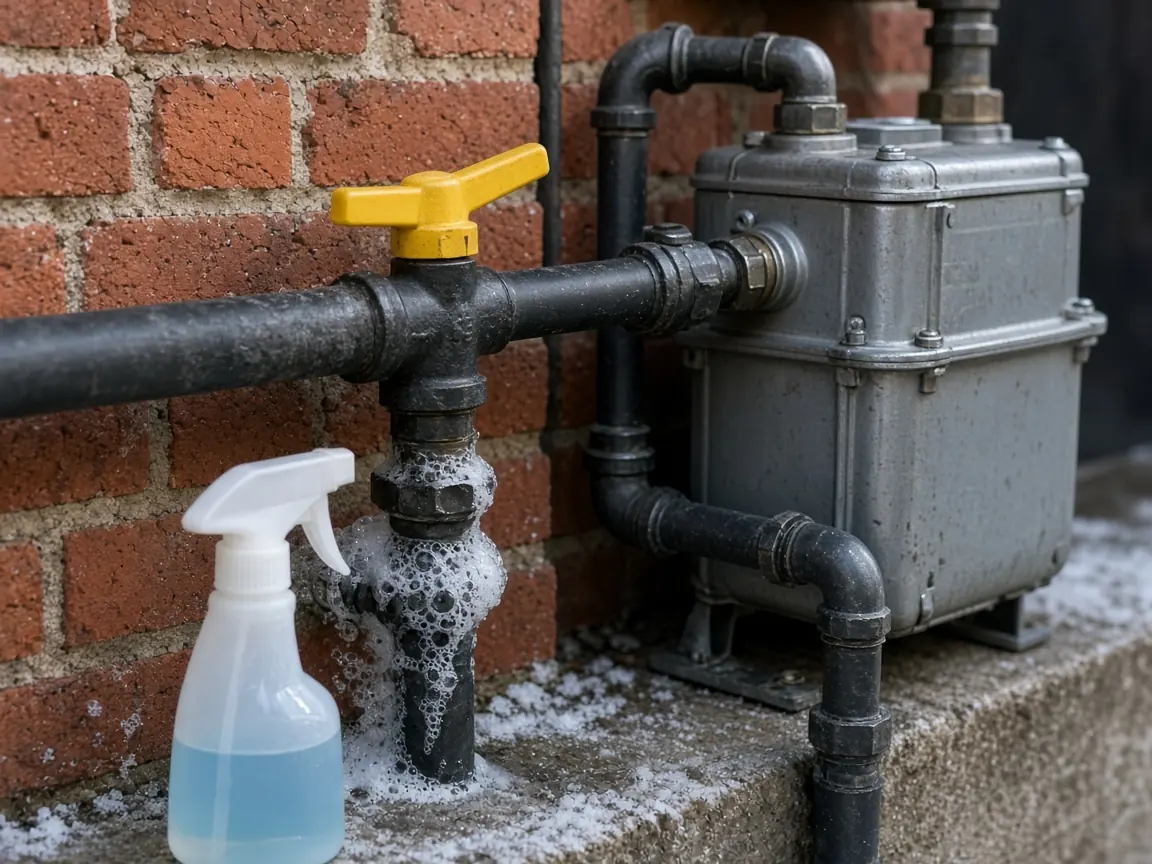
- If you smell gas, leave and call Xcel Energy or 911 from outside.
- If the heater leaks, close the cold supply valve on top.
- Turn a gas heater to pilot or off, or switch off an electric heater's breaker.
- Write down any error code and the model and age from the label.
When to replace
Water from the tank body, rust at the base, rusty hot water, loud rumbling, and a heater past about ten years needing a major part. In finished basements, replacing before a leak saves flooring and drywall.
Sizing and type
Most households use a 40- or 50-gallon tank. Larger households may want more capacity, a tankless unit or a high-efficiency model. ENERGY STAR explains efficiency ratings. New tanks can be larger than old ones of the same capacity, which matters in closets.
Water still running or not sure what to do next? Call.
Call 000 000 0000Venting changes
Gas water heaters that share a chimney with a furnace may need a liner or vent changes when either appliance is replaced, especially when moving to high-efficiency equipment. Power-vent and condensing models use different venting. The provider should check the vent as part of the job.
Permits in Denver and the suburbs
Water heater replacement generally needs a permit. In Denver, many common residential projects go through Quick Permits. Suburbs and Douglas County have their own building departments. Ask the provider to pull the permit and schedule inspection.
What the job includes
Draining and removing the old heater, setting the new one, connecting water, gas or power, installing a relief valve and discharge pipe, checking or replacing the vent connector, adding an expansion tank where needed, leak testing and haul-away. Confirm what's included.
Expansion tanks
Closed systems need an expansion tank, which is often required with replacement.
Water heaters at Denver's altitude
Most Denver-area water heaters are gas tanks in a basement or utility room, often sharing a vent with the furnace. Electric tanks and tankless units are common too, especially in newer homes. At about a mile high, gas appliances need high-altitude setup per the manufacturer, and a burner that's set up wrong can burn poorly, soot up or produce more carbon monoxide. Incoming water is very cold in winter, so heaters work hardest just when you need them most.
Most repairs come down to a failed part: a thermocouple, flame sensor, igniter, gas valve, element, thermostat or relief valve. A tank leaking from its body needs replacing. Replacements and tankless installations generally need a permit, partly because venting and gas connections are safety-critical. Keep carbon monoxide alarms on every level, and if you ever smell gas, leave and call Xcel Energy or 911 from outside.
Good questions to ask about water heater repair in Lakewood
- Is this heater worth repairing at its age?
- Is it set up correctly for high altitude, and is the vent drawing properly?
- Does the work need a permit, and who arranges the inspection?
- What size and type would you suggest if it needs replacing?
Mistakes to avoid
Avoid relighting a pilot when you smell gas, capping or plugging a dripping relief valve, ignoring soot around the draft hood, and installing a replacement without a permit. Relief valves, venting and gas connections are safety parts, not places to improvise.
Water Heater Replacement in Lakewood: local notes
Lakewood is full of 1950s and 1960s brick ranches and split-levels, many with basements and original galvanized supply lines or clay sewer laterals. Lakewood is served by several water and sanitation districts, so the first step on a meter or sewer main problem is finding the district named on your bill.
Water in Lakewood comes from one of several water districts depending on the address, so check your bill. Permits come from the building department for the City of Lakewood. Gas service in most of the metro is from Xcel Energy, and any digging needs Colorado 811 locates first.
Landmarks near you
Near Bear Creek Lake Park, the large city park and reservoir in south Lakewood, or closer to Crown Hill Park, the Jefferson County open space park on the Lakewood and Wheat Ridge line? The call is the same: describe the problem, share your cross streets and ask whether you're covered. See Crown Hill Park.
Handy when you call
- Current size, fuel and age
- Location and space around the heater
- Whether it shares a vent with the furnace
- Interest in tankless or high-efficiency
- Your Lakewood address or nearest cross streets
The steps
- Call the number on this page.
- Describe the problem and anything you've switched off.
- Give your Lakewood cross streets and ask whether you're covered.
- Ask about pricing and permits. The provider sets prices, not this website.
More for Lakewood
- Plumbing help in Lakewood: housing, utilities and permits
- Water Heater Repair in Lakewood
- Tankless Water Heater Installation in Lakewood
- No Hot Water in Lakewood
- All water heater repair in Lakewood
- Water Heater Replacement nearby: Wheat Ridge, Golden, Littleton, and Denver
- Guide: When Denver Plumbing Work Needs a Permit